
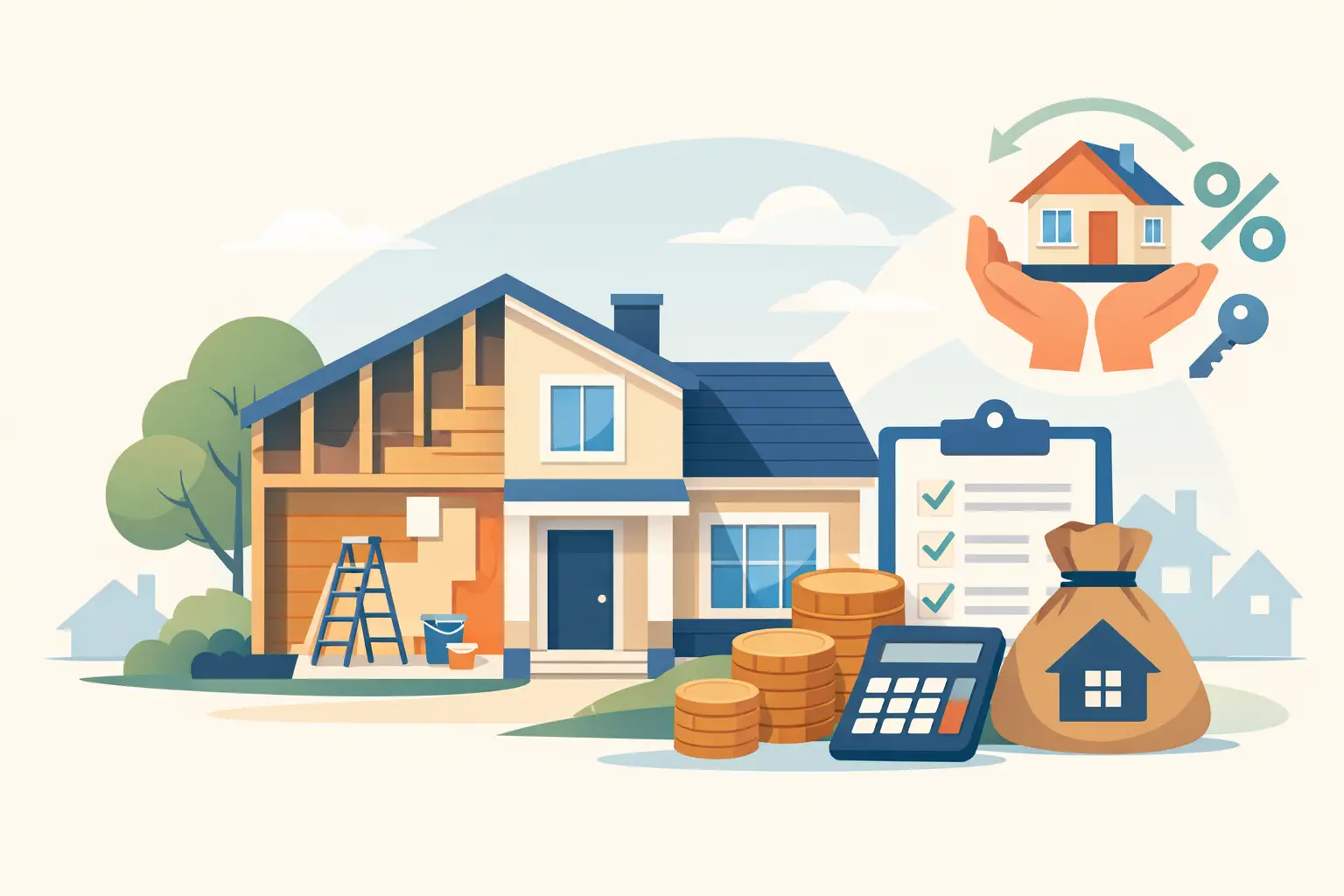
A roof leak, failing gutters, or worn siding rarely waits for the perfect time in a household budget. Affordable home remodeling financing can give homeowners a practical way to address needed work now while spreading the cost into payments that fit their financial picture. The goal is not simply to borrow money. It is to make a sound decision that protects your home, preserves its value, and keeps a necessary project from becoming a larger repair later.
For homeowners across Northern Virginia and the Maryland suburbs, financing is often most useful when several connected improvements need attention at once. A roof replacement may reveal damaged fascia. New siding may make aging windows stand out. Handling those items through one coordinated project can be more efficient than patching each issue over several years, provided the financing terms and project scope are clear from the start.
Start With the Work Your Home Actually Needs
Before comparing payment options, separate urgent repairs from upgrades that can reasonably wait. Water intrusion, roof deterioration, loose siding, damaged gutters, and window failures can affect the structure and interior of your home. Delaying those issues may increase the final cost through rot, mold, insulation damage, or interior repairs.
Cosmetic changes still matter, especially when they improve curb appeal or prepare a property for sale, but they should be evaluated differently. If the budget is tight, prioritize work that protects the building envelope first. Then decide whether related appearance improvements should be completed at the same time.
A detailed contractor estimate helps with this decision. It should identify the work being performed, the materials proposed, the expected project schedule, and any conditions that could affect the price. Avoid making a financing decision based on a broad verbal range. A clear scope gives you a realistic amount to finance and makes it easier to compare options fairly.
Affordable Home Remodeling Financing: Know Your Options
There is no single best financing method for every homeowner. The right choice depends on the project cost, your credit profile, available home equity, how quickly the work must begin, and how long you expect to stay in the home.
Contractor financing programs
Many established remodeling contractors offer financing through third-party lenders. This can be a convenient option because the application process is typically connected to the project estimate, and approval may be available quickly. Depending on the program and borrower qualifications, homeowners may find fixed monthly payments, promotional periods, or longer repayment terms.
Convenience should not replace careful review. Ask whether the interest rate is fixed or variable, whether a promotional rate expires, and what happens if the balance is not paid before a promotional period ends. Also confirm whether there are origination fees, prepayment penalties, or late-payment charges. The monthly payment may look manageable while the total repayment cost is much higher than expected.
Home equity loans and HELOCs
A home equity loan can provide a lump sum with fixed payments, while a home equity line of credit, often called a HELOC, provides a credit line that can be drawn as work progresses. These options may offer favorable rates for qualified homeowners because the loan is secured by the property.
They can work well for larger, planned renovations with enough equity available. However, they often involve more documentation and a longer approval process than contractor financing or an unsecured personal loan. Because your home is used as collateral, this option deserves careful consideration. It may not be the right fit for an urgent repair that needs immediate attention or for a homeowner who expects to sell soon.
Personal loans
An unsecured personal loan does not require using your home as collateral. Funds can often be available quickly, making this a useful option for repairs that cannot wait. Fixed rates and fixed repayment periods can also make monthly budgeting straightforward.
The trade-off is that interest rates may be higher than secured financing, especially for borrowers with less-than-excellent credit. Compare the annual percentage rate, not only the monthly payment. A longer loan term can lower the payment but increase the total amount paid over time.
Credit cards and savings
For small repairs, savings may be the simplest and least expensive path. Using a credit card can make sense for a limited expense that you can repay quickly, particularly if you have a true introductory offer and a disciplined repayment plan.
Credit cards are generally a poor choice for a major roof replacement, whole-home exterior update, or extensive remodeling project. High variable rates can turn a manageable project into an expensive long-term balance. If you use a card for a deposit or a small portion of the work, know exactly how and when you will pay it off.
Build a Payment Plan Around the Total Cost
A financing conversation should go beyond, “What is the monthly payment?” Start with the total project cost, including any necessary repairs that may be discovered once existing materials are removed. Then decide how much you can put down without draining emergency savings.
Next, set a monthly payment that still leaves room for normal homeownership costs. Property taxes, insurance, utilities, maintenance, and unexpected repairs do not pause during a remodeling loan. A payment that feels comfortable on paper can become stressful if it leaves no margin for the rest of the household budget.
It is also smart to compare at least two repayment scenarios. For example, a shorter term may have a higher payment but substantially less interest. A longer term may provide breathing room, which can be worthwhile when the project addresses an urgent safety or weather-related concern. The right answer depends on your cash flow and priorities, not on a one-size-fits-all rule.
Ask Questions Before You Sign
Financing should support a well-defined project, not pressure you into one. Take time to review the lender disclosure and the contractor agreement separately. You should understand when payments begin, whether funds are released in stages, and what work must be completed before final payment is due.
Ask these questions during your estimate and financing review:
- What is the full project price, and what is included in that amount?
- What interest rate, loan term, and total repayment amount apply?
- Is there a promotional rate that can change later?
- Are there lender fees, prepayment penalties, or late fees?
- What deposit and payment schedule does the construction agreement require?
- How will approved change orders be priced and financed?
For exterior projects, also ask how the contractor handles weather delays, hidden damage, and material availability. These are normal possibilities in construction, especially when replacing roofing, siding, or gutters. A dependable contractor will explain the process plainly rather than making promises that do not account for site conditions.
Use Financing to Protect Value, Not Stretch the Scope
Financing can make a major improvement more accessible, but it should not encourage unnecessary work. The strongest projects solve a real problem, improve performance, or make a home easier to maintain. Replacing a worn roof before leaks spread, improving drainage around the roofline, repairing failing siding, or installing more efficient windows can help protect the investment you have already made in your property.
Bundling related work may also create practical value. Completing roofing, gutters, and exterior repairs through one contractor can reduce scheduling conflicts and help ensure that each part of the exterior works together. That does not automatically mean every upgrade should be bundled. Request pricing for the essential scope and the optional scope so you can see what is truly worth financing now.
AST Consulting LLC helps homeowners evaluate roofing, exterior, and remodeling needs as connected parts of the same home, with financing options available for qualified projects. A clear estimate and a straightforward conversation about timing can make the next step feel far more manageable.
When a needed improvement is on the horizon, start with the condition of the home, a realistic project scope, and payments you can comfortably sustain. Get a quote, ask direct questions, and choose a plan that lets you take care of your home with confidence.
Riley3816
July 15, 2026https://shorturl.fm/IETjA